
Why Guatemala?
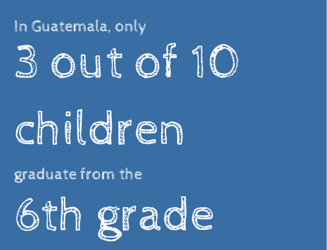
Guatemala is one of the poorest countries in Latin America. Nearly 25% of the country’s population is illiterate, ranking Guatemala 174 out of 194 countries in terms of literacy rate. That statistic jumps to more than 60% in the indigenous population. According to USAID, average schooling in Guatemala is a short four years and only three in ten children graduate from sixth grade.
The current state of the education system is substandard. Many classrooms, especially in rural Guatemala, do not have adequate teaching materials. Additionally, with more than half the population living below the poverty line, many children – especially rural and indigenous children – are forced to drop out of school to help support their families or because they are unable to afford the cost of uniforms, books, supplies and transportation.
Less than 30% of poor, rural indigenous girls are enrolled in secondary school
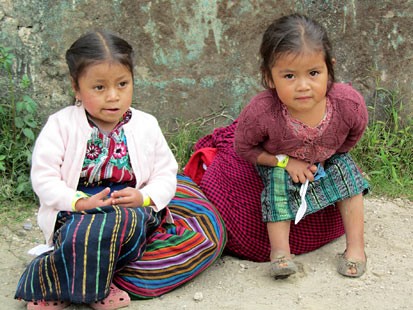
Guatemala also suffers gender disparity in the education statistics. Of the 2 million children in Guatemala that do not attend school, the majority are indigenous girls living in rural areas. In fact, over half of the Guatemalan population is indigenous and less than 30% of poor, rural indigenous girls are enrolled in secondary school. Most indigenous girls in Guatemala are Mayan and they are among the country’s most disadvantaged group with limited schooling, early marriage, frequent childbearing, and chronic poverty. The need to invest in education, particularly for underserved girls, is acute.
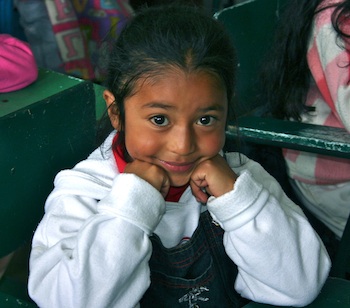
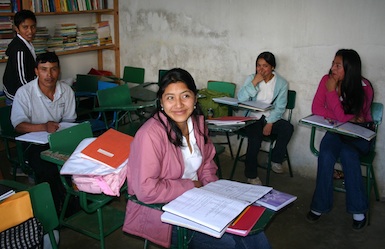
Dropout rates are high, especially for girls.
Children are often forced to leave school due to the need to provide family income. Girls particularly are often forced to take care of siblings, marry early, or leave school to help support the family. In many poor communities, school fees for tuition, textbooks, uniforms and supplies often force children to drop out of school as these expenses can easily consume a substantial percentage of a poor family’s income.
Quality education is lacking.
In Guatemala, particularly in rural schools and in indigenous communities, schools are often poorly funded and lack adequate books, curriculum guides, literacy materials and exam prep guides. Additionally, teachers are not properly trained, particularly in rural schools. Finally, recruiting and retaining quality teachers in rural schools poses a significant challenge.
Global Education Fund in Guatemala
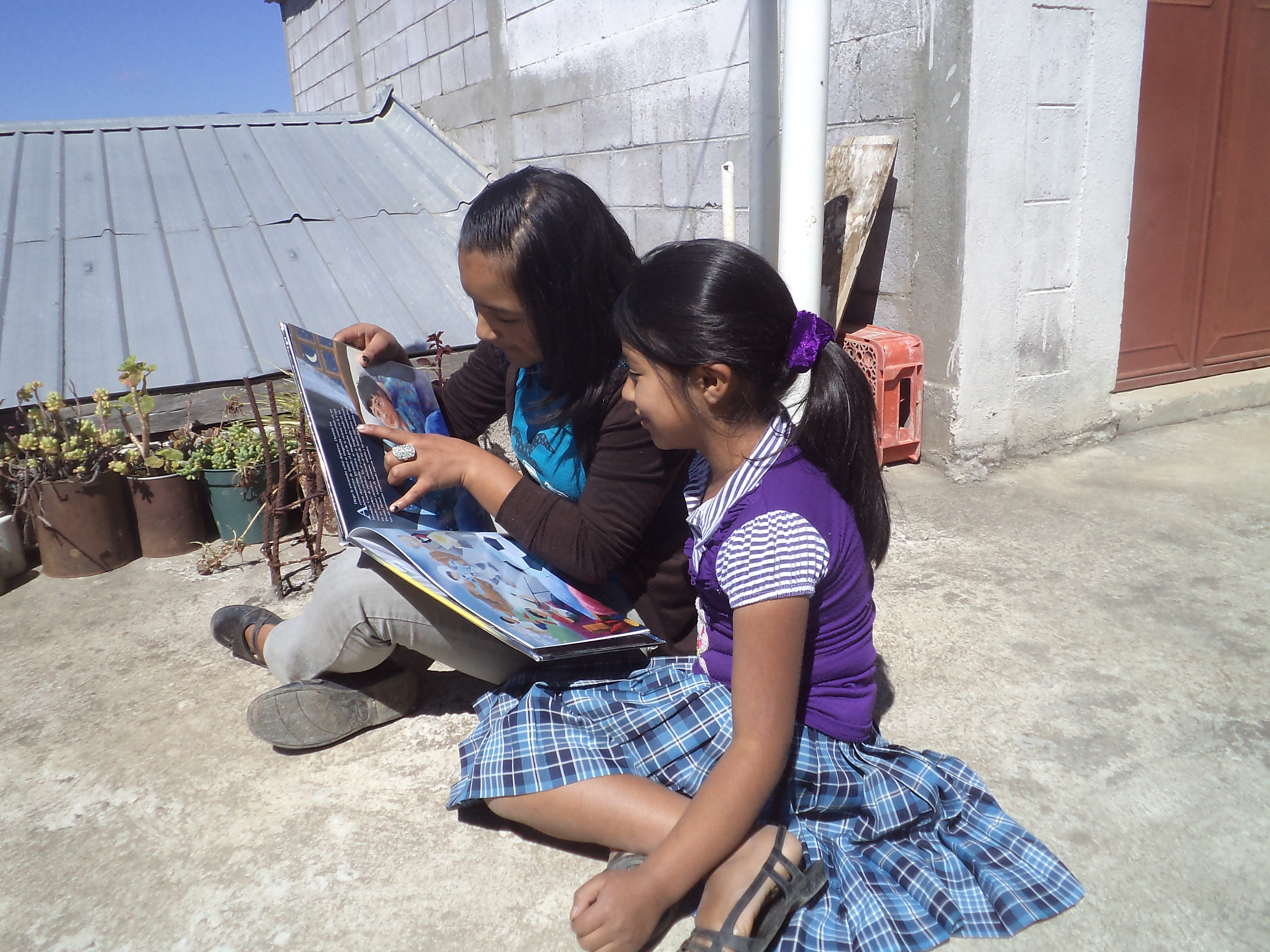
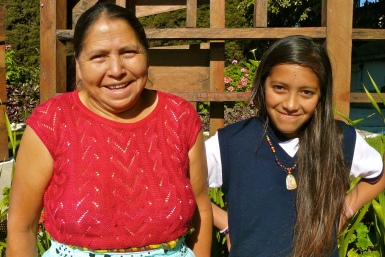
Mujeres Trabajan Unidas (ADIMTU) is a locally-led community based organization with an innovative program targeting middle school girls, a large majority of whom are indigenous from poor rural communities. It is located in San Pedro Sacatepéquez, Department of San Marcos, Guatemala. ADIMTU’s research identified middle school as a vulnerable period where girls are dropping out in high numbers due to early marriage, needing to work at home and contribute to their families’ survival. With this in mind, the program focuses on the girls’ development as leaders, learners, and community volunteers. Formación de Lideresas Jóvenes (Forming Young Female Leaders) has three project components - one each for the three years of middle school.
- Little Sisters - 316 girls – Teens mentor younger girls in 2nd-3rd grade, helping with homework, discussing solutions to obstacles in education, and encouraging them to stay in school.
- My Mother’s Life Story - 308 girls and women – Girls interview their mothers and write their life story in diary form. Builds mother daughter bond, reminds mothers of the purpose of schooling and value of literacy, reinforces pride in daughter demonstrating reading and writing skills in an intimate shared reality.
- Family Reading Hour - 1144 girls and their families – Girls take home books to share with their families, according to their interests. Develops habit of reading among girls, gives illiterate families desire to learn to read through example of daughters, brings family together on importance of literacy, gives opportunity for MTU staff and teachers to get involved with families.
Impact. ADIMTU is working in 13 middle schools across rural communities, with 630 girls across the three years of middle school. Nearly 250 mothers are engaged in the Mother’s Life Story project with their daughters, and over 1000 family members plus the middle school girls are benefitting from the Family Reading Hour. Almost 200 2nd and 3rd grade girls identified by their teachers as ‘at risk’ of failing or dropping out of school are in the Little Sisters program and are supported by their middle school ‘big sister’. In 2013, ADIMTU’s curriculum was officially recognized by the Ministry of Education. 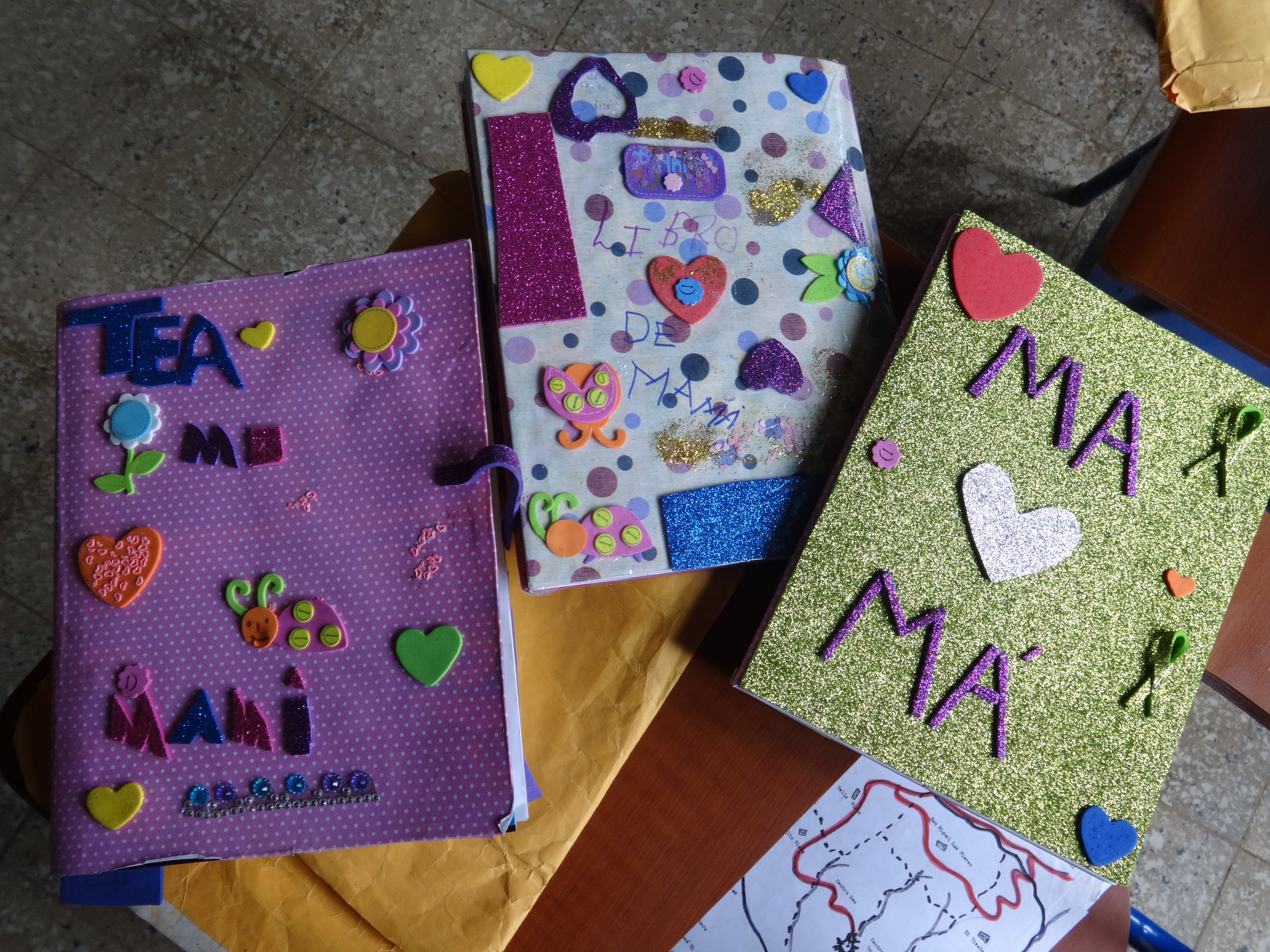
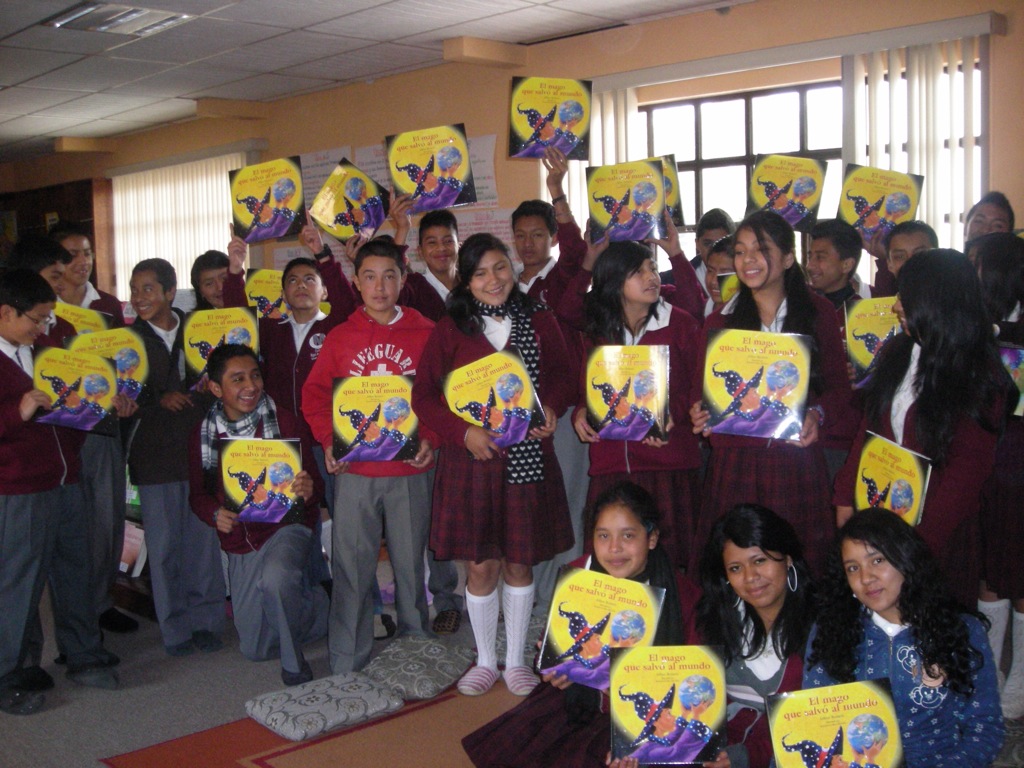
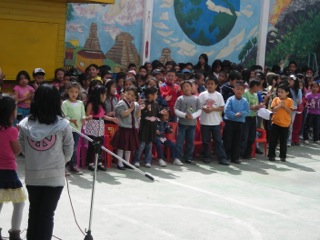
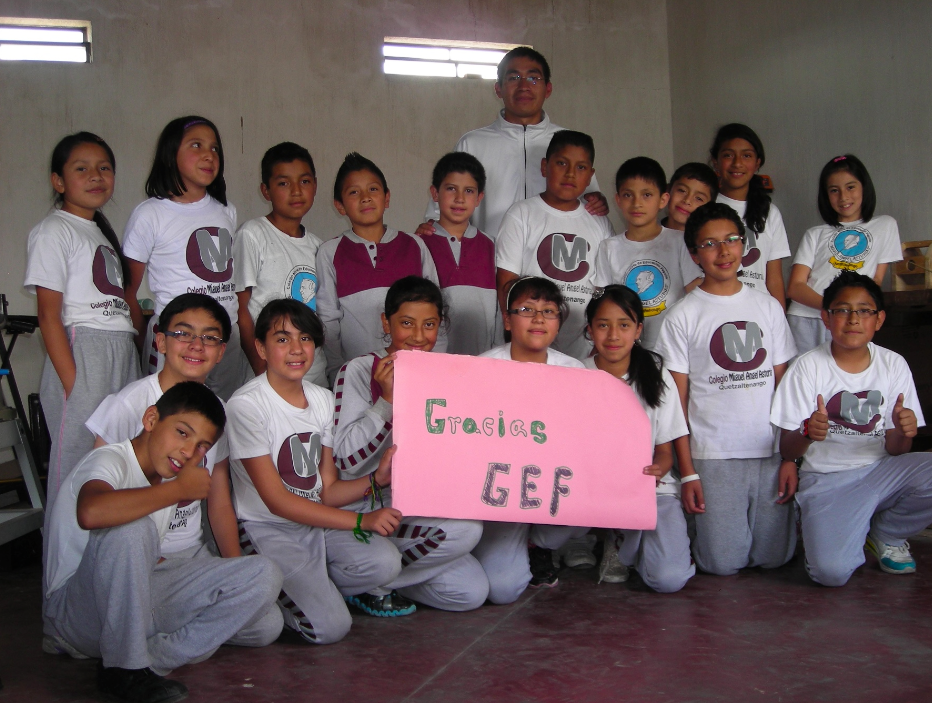
Miguel Asturias Academy operates in the Quetzaltenango area where poverty and low access to quality learning, especially beyond primary, is the norm. Established by Jorge Chojolán – a passionate educator and advocate for disadvantaged Mayan students – the Academy’s curriculum is inspired by the Brazilian, Paolo Freire. At Asturias, learners are encouraged to experience education that is empowering with a curriculum encourages critical thinking, understanding of one’s own culture and history, and becoming an active participant in society. Also, in the last two years at the Academy students are required to take technical/vocational courses in order to apply the academic skills they have obtained. These final years ensure that they leave with practical skills and understanding for employment, whether or not they go on to university. Impact. Miguel Asturias Academy has 240 students (kindergarten – secondary), half of whom are girls. It is registered as a private, not-for-profit school in Guatemala, and its specially developed curriculum is recognized by the Ministry of Education. Students performed on the 2013 national academic exams at similar levels to the top 20% of private, for profit, schools in the country.